

Expecting and Excited!
If planning is your love language, you've come to the right place. Let's check off those lists and get all the feeding supplies organized before baby arrives.

Preparing for Your Breastfeeding Journey
Pregnancy is the ideal time to learn about how breastfeeding works. While breastfeeding may be natural, it’s not always intuitive or easy. We recommend the following steps to prepare for your journey:
-
If you've covered the basics in a hospital or online breastfeeding class, Flow's group classes on breastfeeding, pumps & bottles are designed just for parents like you who are ready to take a deeper dive on breastfeeding — building real confidence before baby arrives.
-
An individual consult is 1:1 time with your IBCLC. We focus on your unique medical history, risk factors for feeding challenges, any previous experience with breastfeeding, and talk through what's most important to you. Prepare a list of questions and we can guide you towards your own feeding goals.
Prenatal clients get priority scheduling for a postpartum visit within the first week home with baby.
Flow Lactation recommends booking an in-office appointment for your first prenatal consultation. Get your questions answered, and review which breastfeeding products might work best for you.
-
Browse Flow's favorite feeding products and get ideas for your registry! Many of these are available in the office — just ask to see them at your next class or appointment.
Need a Pump?
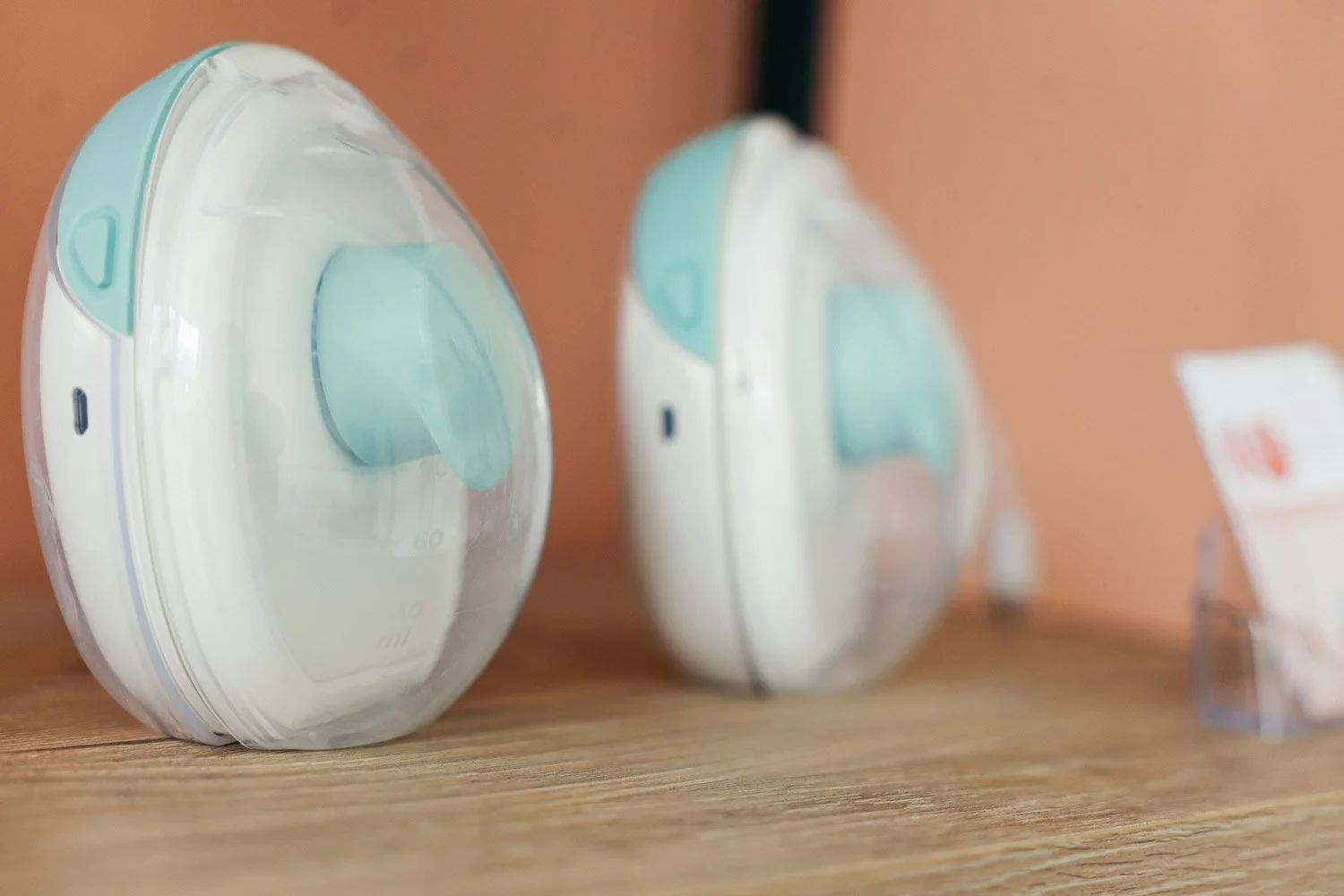
Did your pump just stop working? Need a second pump to keep at work? Are you exclusively pumping or triple feeding and realizing that the pump you have isn't working for you? Flow's pump donation program connects moms who rely on a pump with a gently used donated pump (including pump parts). If you could use an extra rechargeable pump, request one here.
Getting Ready for the First Two Weeks
The first few weeks with baby can be magical but overwhelming. Here’s what to expect and what you can do to prepare.
How to Prepare
Think through your feeding goals...plan A and plan B.
Talk with your provider about prenatal colostrum collection.
Gather supplies that ensure you can feed baby comfortably such as a nursing pillow, night light, soft pajamas, nursing/pumping bras and tank tops, and nursing pads in case you leak.
Wash and sterilize bottles and pump parts (including a hand pump) even if you don't plan to use them right away.
Wash nursing bras and tank tops.
Set up feeding stations and diaper changing stations in multiple areas of your home.
Stock healthy snacks, an extra long phone charger, nursing pads, and a big water bottle.
Talk with your partner about your feeding goals and why this is important to you.
Talk with your partner about your comfort level with any visitors, keeping your new baby healthy from outside germs, and if you're comfortable feeding in front of others
Ask a friend to set up a meal train, and plan to leave a cooler by your door so deliveries don't disturb any daytime naps.
What to Expect
If you give birth in a hospital, you'll likely be there for 2-3 days.
Lactation staff will check on you every day in the hospital, but will not be available to help with every feed.
All babies lose up to 7% of birthweight and this is normal.
Baby should wake on their own 8-12 times every 24 hours.
Your healthcare team will ask you to keep track of when baby ate, and when they had a wet or dirty diaper.
Colostrum changes to whiter, thinner milk between 3-5 days postpartum, and breasts become engorged when this happens.
If you're latching, nipples may feel sore or tender but should not feel pinching or biting pain.
Mood swings, hot flashes, and night sweats are normal thanks to big hormonal shifts.
You'll feel thirstier and hungrier than ever before.
All babies should be back to their birthweight by 2 weeks old.
Your body has just 2-4 weeks to figure out how much milk to make, and this impacts your long term milk supply.